EE.UU. reiniciará el bloqueo naval a Irán el martes y promete apoyo a los otros barcos
La medida se produce en medio de la escalada de tensiones con Teherán y contempla restricciones al tráfico marítimo vinculado con Irán.
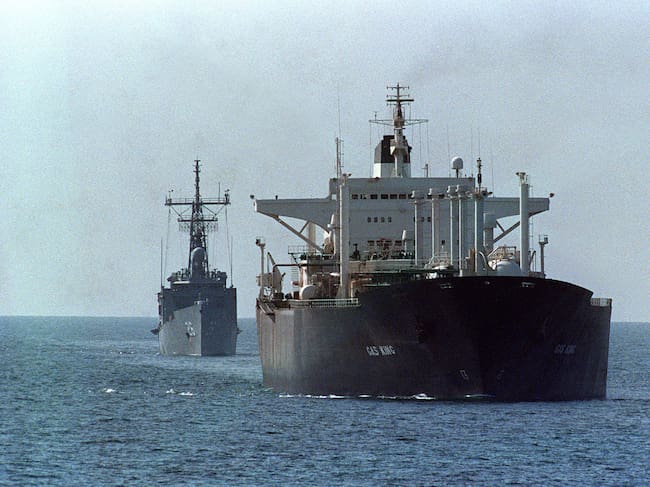
The reflagged tanker Gas King (foreground) loaded with Kuwaiti crude is escorted December 28, 1988 by the U.S. guided missile frigate, USS Gallery towards the Strait of Hormuz, off the Dubai coast. Two Kuwaiti minesweeping tugs (not pictured here) led the small convoy. The Tanker War started properly in 1984 when Iraq attacked Iranian tankers and the vital oil terminal at Kharg island. Iran struck back by attacking tankers carrying Iraqi oil from Kuwait and then any tanker of the Gulf states supporting Iraq. The air and small boat attacks did very little to damage the economies of either country and the price of oil was never seriously affected as Iran just moved it's shipping port to Larak Island in the straights of Hormuz. AFP PHOTO NORBERT SCHILLER (Photo by NORBERT SCHILLER / AFP) / NORBERT SCHILLER
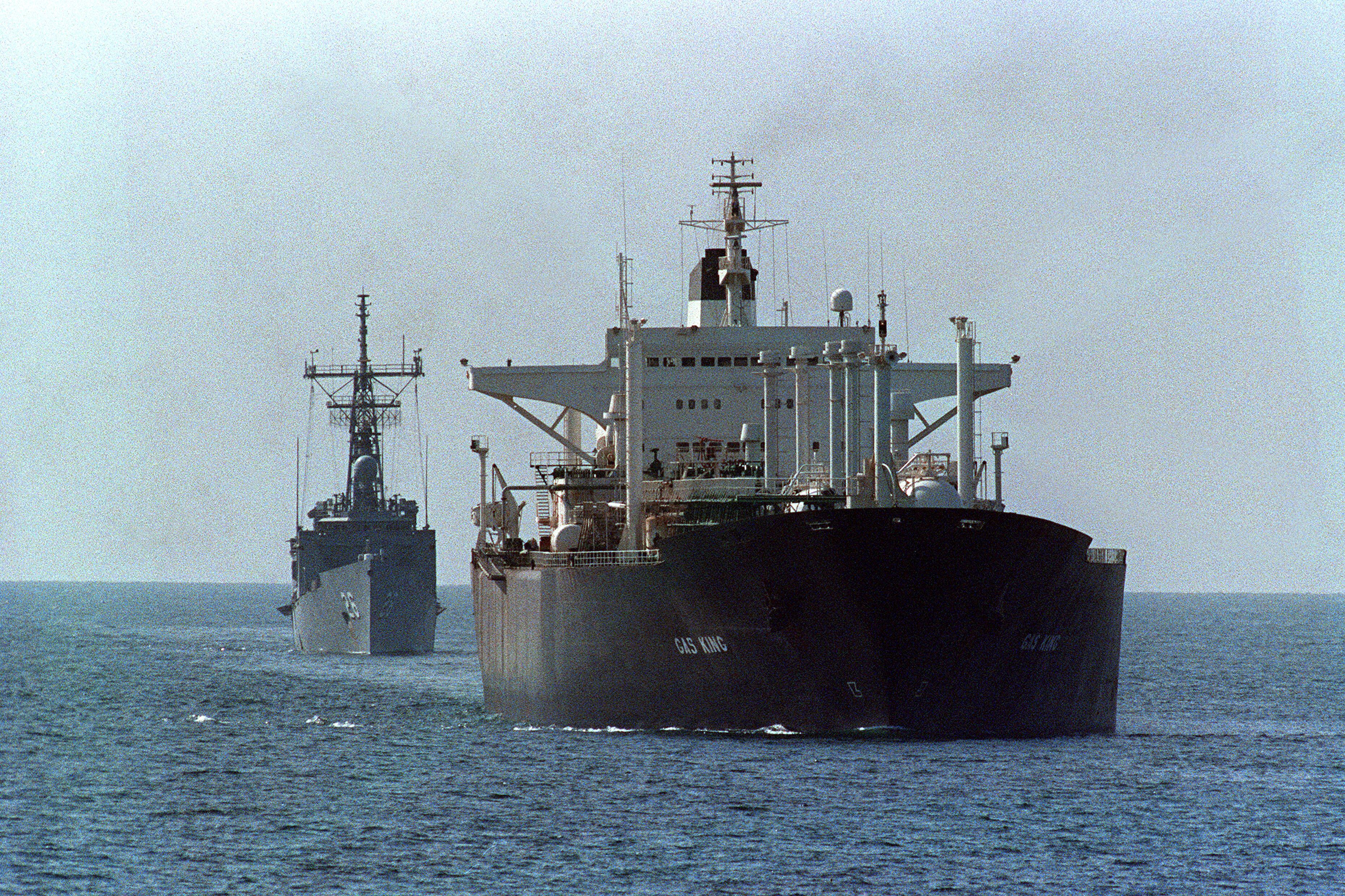
El bloqueo naval estadounidense a los barcos que provengan o se dirijan a Irán se reiniciará este martes por órdenes de Donald Trump, informó el Comando Central del Ejército de Estados Unidos (Centcom), que prometió apoyo a los buques que cumplan con las normas de Washington.
“Por instrucción del comandante en jefe (Trump), las fuerzas del Comando Central de EE.UU. (Centcom) reanudarán el bloqueo al tráfico marítimo que entra y sale de los puertos iraníes el 14 de julio a las 4 p.m., hora del este (20:00 GMT)“, indicó el organismo, con sede en Florida, en un comunicado.
El Ejército remarcó que las fuerzas del Centcom “harán cumplir el bloqueo contra los barcos que transiten hacia o desde los puertos y zonas costeras de Irán”, aunque prometió que seguirá “apoyando el flujo del tráfico a través de las aguas regionales para todos los buques que no violen el bloqueo”.
El aviso llega horas después del anuncio de Trump, quien este lunes anunció que restablecerá el bloqueo naval a Irán y que Washington cobrará un 20 % de compensación por proteger a buques que transitan por el estrecho de Ormuz, en medio de la reescalada del conflicto.
El Centcom aconsejó a “todos los marinos” monitorear las transmisiones de Avisos a los Navegantes y contactar a las fuerzas navales estadounidenses cuando operen en el golfo de Omán y en los accesos al estrecho de Ormuz, por donde transitaba la quinta parte del crudo global antes del estallido de la guerra, el 28 de febrero.
Asimismo, recordó que en la implementación inicial del bloqueo, del 13 de abril al 18 de junio, las fuerzas de EE.UU. desviaron más de 140 buques, inhabilitaron nueve barcos que desobedecieron las órdenes y permitieron el paso de más de 50 naves comerciales con ayuda humanitaria.
La guerra se ha intensificado desde la semana pasada, cuando Trump dio por acabado el acuerdo marco del alto el fuego con la República Islámica que él firmó el 17 de junio ante los persistentes ataques de Teherán a los barcos que navegan por Ormuz.
También este lunes, el Centcom reportó que las Fuerzas Armadas estadounidenses usaron por primera vez en combate drones marítimos para atacar un centro de mantenimiento para submarinos y barcos en un puerto iraní en la Base Naval de Bandar Abbas.
Las fuerzas estadounidenses reportaron haber atacado el fin de semana aproximadamente 140 objetivos militares iraníes con municiones de precisión lanzadas desde aviones de combate, drones y buques navales.
En respuesta, Teherán ha bombardeado Kuwait, Baréin, Catar, Jordania, Omán y Emiratos Árabes Unidos, países aliados de Washington con presencia militar estadounidense.